How Rising Oil Prices Are Affecting Construction in Ireland - March 2026
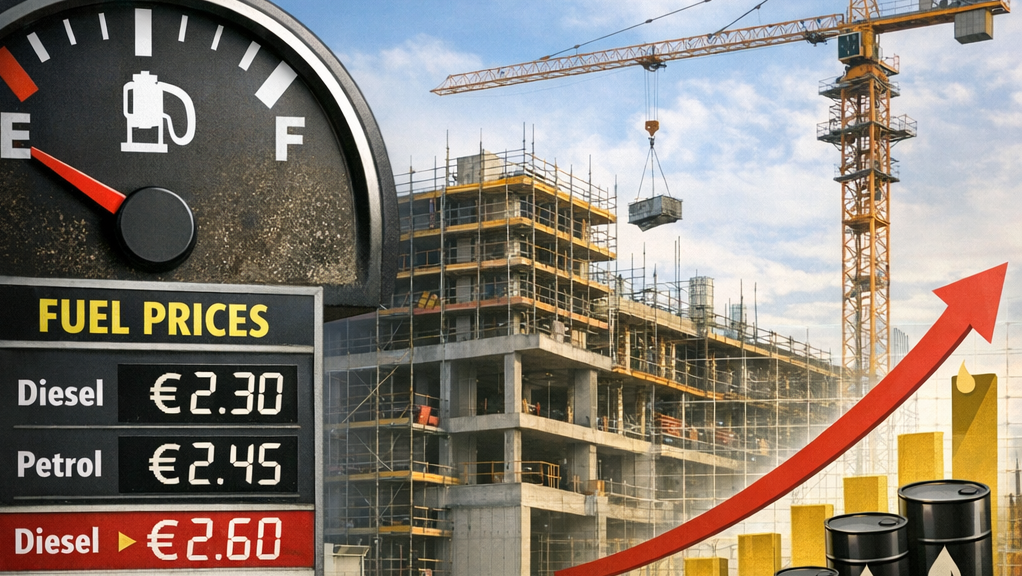
Rising oil prices are once again putting pressure on the construction industry across Ireland. In 2026, ongoing volatility in fuel markets is directly affecting project costs, timelines, and procurement strategies.
At Daniel Mihoc Construction, we are seeing these effects across our projects in real time. On recent works, fuel-related increases have impacted transport, materials, and plant operation costs by as much as 15–20%, particularly on larger projects requiring continuous machinery use.
This isn’t just a market trend, it’s a real, day-to-day challenge that contractors, developers, and clients must actively manage.
Why Oil Prices Matter in Construction
Construction is heavily dependent on fuel and energy at every stage of a project. When oil prices rise, the impact is immediate and widespread.
1. Material Costs
Many construction materials are directly or indirectly linked to oil:
- Bitumen (used in roads and surfacing) is a direct petroleum product
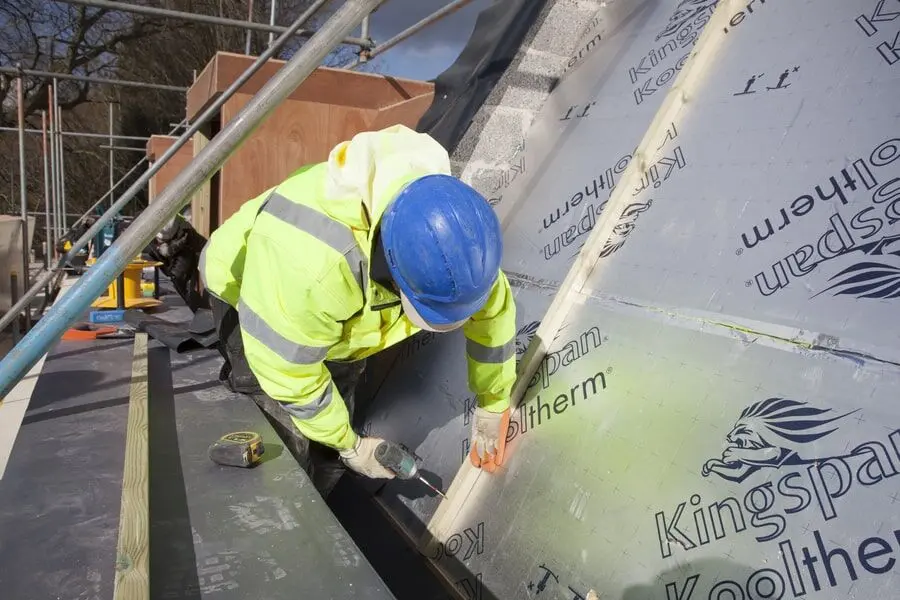
- PVC, plastics, and insulation materials are oil-based
- Steel and concrete production is highly energy-intensive
- Paints, sealants, and adhesives rely on petroleum derivatives
As fuel and energy costs increase, suppliers pass these costs through the supply chain, often within weeks.
2. Transport and Logistics
In Ireland, construction depends almost entirely on road transport.
Rising diesel prices increase the cost of:
- Delivering materials to site
- Moving plant and machinery
- Waste removal and skip services
- Specialist logistics and deliveries
On large-scale projects, transport can represent a significant portion of the budget, making fuel volatility a major risk factor.
3. Plant and Machinery
Heavy equipment such as excavators, cranes, and generators runs predominantly on diesel.
Even small increases in fuel price per litre can translate into tens of thousands of euros in additional costs over the life of a project.
4. Energy Use on Site
Construction sites require continuous energy for:
- Lighting and welfare facilities
- Temporary heating
- Power tools and equipment
Whether through diesel generators or grid electricity, rising energy prices directly increase operational costs.
The Ripple Effect Across Projects
Rising oil prices don’t affect just one part of a project, they impact the entire supply chain:
- Manufacturers increase prices
- Suppliers increase delivery costs
- Subcontractors adjust their rates
- Contractors face tighter margins
- Clients see higher overall project costs
This creates a chain reaction that can influence tender pricing, project feasibility, and timelines.
The Impact on Construction in Ireland
Across Ireland, we are seeing consistent effects:
- Housing: Increased build costs continue to impact affordability
- Infrastructure: Road and civil projects are heavily affected due to bitumen and fuel usage
- Commercial & Data Centres: Longer procurement timelines and tighter margins
- Public Sector Projects: Greater pressure on fixed budgets and value engineering
For contractors, the challenge is not just managing cost increases, but doing so while maintaining quality and programme delivery.
How the Industry Is Adapting
Despite these pressures, the industry is evolving and adapting.
Smarter Procurement
Early engagement with suppliers and locking in prices where possible helps reduce exposure to volatility.
Fuel-Efficient and Electric Plant
The use of hybrid and electric machinery is increasing, reducing reliance on diesel and improving long-term cost control.
Value Engineering
Working closely with clients and design teams to optimise materials, methods, and sequencing is now essential.
Renewable Energy on Site
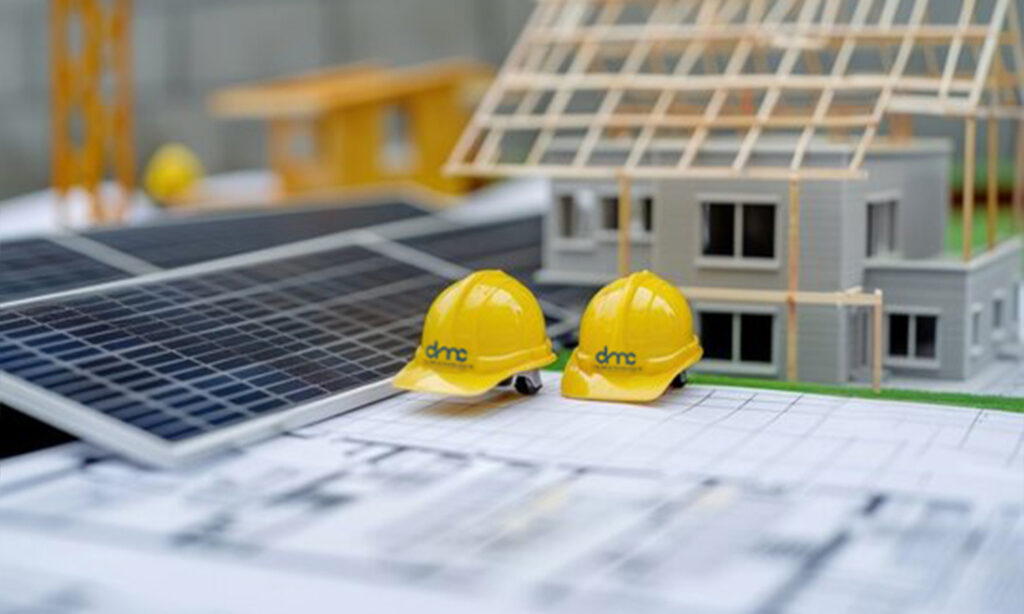
Temporary solar solutions and more efficient energy use are becoming more common on projects.
Better Contract Strategies
Fluctuation clauses and transparent pricing discussions are helping distribute risk more fairly across projects.
How Daniel Mihoc Construction Is Managing These Challenges
At Daniel Mihoc Construction, our approach is simple: anticipate, adapt, and deliver.
We are actively managing the impact of rising oil prices through:
- Early supply chain engagement to secure competitive pricing
- Investment in modern, fuel-efficient plant and methods
- Strong cost control throughout the project lifecycle
- Collaborative planning with clients and consultants
- Clear and transparent communication at every stage
This ensures that even in a volatile market, we continue to deliver projects reliably and efficiently.
What This Means for Clients
If you are planning a project in Ireland in 2026, cost volatility is something that must be considered from the outset.
However, with the right contractor and the right planning approach, these challenges can be managed effectively without compromising quality or delivery.
Looking Ahead
While oil prices may stabilise in the future, the direction of the industry is clear.
Construction must continue to reduce its dependence on fossil fuels through:
- Electrification of plant
- Renewable energy adoption
- Smarter construction methods
- Sustainable material choices
Those who adapt early will be best positioned to succeed.

Final Thoughts
Rising oil prices are not just a challenge, they are a test of how well the industry can adapt.
At Daniel Mihoc Construction, we don’t just react to market pressures, we plan for them, manage them, and deliver through them.
If you’re planning a project and want a contractor who understands today’s challenges and is prepared for tomorrow’s opportunities, we’re ready to work with you.
Let’s build smarter, together, focusing on efficiency, resilience, and long-term value.